Gates Foundation Commits $2.5B to Women’s Health by 2030
Pakistan among key beneficiaries of the global initiative to improve maternal care, reproductive health, nutrition, and innovation in underserved regions

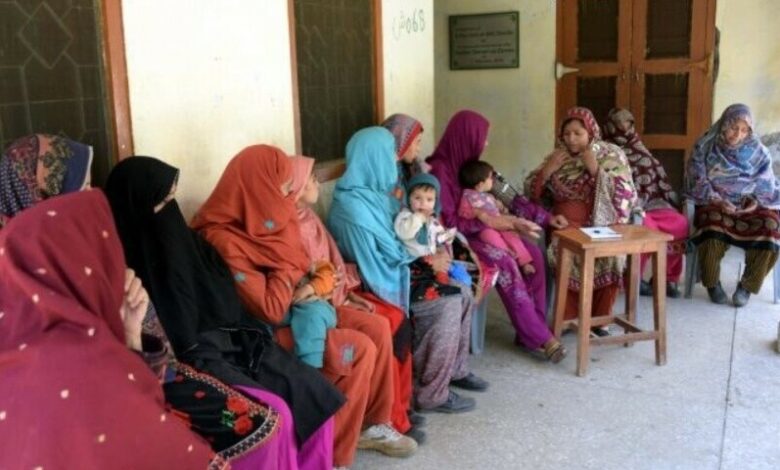
In a major push for global health equity, the Bill & Melinda Gates Foundation has pledged $2.5 billion to women’s health by 2030, aiming to tackle decades of neglect in maternal health, reproductive care, and related areas. This ambitious investment will directly benefit low- and middle-income countries like Pakistan, where maternal and newborn health remains a critical challenge.
Women’s health research and development has historically been underfunded, with only 1% of healthcare R&D focused on female-specific conditions outside of cancer. This lack of investment has left issues like preeclampsia, endometriosis, and maternal malnutrition poorly understood and inadequately addressed. The foundation’s new commitment will support innovation across five priority areas: obstetric care, maternal nutrition, gynecological health, contraception, and sexually transmitted infections.
Bill Gates, speaking at a women’s health event at MIT and Harvard’s Broad Institute, stressed the urgency of investing in women’s health, calling it essential for long-term societal progress. “Too many women still die from preventable causes or live in poor health,” he said, highlighting how maternal mortality has declined far less than child mortality over the past two decades. He emphasized the need to redirect funding to overlooked yet high-impact areas like anemia, nutrition, and improved vaccines.
Dr. Anita Zaidi, President of the Gender Equality Division at the Gates Foundation and a former physician in Pakistan, emphasized the long-standing exclusion of women from medical research. She pointed out that millions of women worldwide are misdiagnosed or inadequately treated due to systemic gaps in healthcare knowledge and tools. “Women were not even routinely included in clinical trials until 1993,” she noted, adding that most medicines used today remain untested during pregnancy.
Pakistan, home to one of the world’s highest neonatal mortality rates, will be a central focus of the foundation’s efforts. Dr. Zaidi shared her experiences in Pakistan, explaining how women’s poor health often directly impacts their children’s wellbeing. “Without addressing the mother’s health, it is not possible to address the children’s health,” she said.
Ongoing projects in Pakistan already supported by the Gates Foundation include collaborations with Shirkat Gah Women’s Resource Centre to expand access to family planning, and with the Benazir Income Support Programme for the Nashonuma initiative, which provides cash transfers linked to maternal and child health services. Another major grant has been awarded to the University of Manitoba for research into barriers to maternal and newborn care in Sindh, while the Awaaz-e-Sehat mobile tool from LUMS leverages AI to provide voice-enabled health information for women.
The $2.5 billion commitment aims to fund both low-tech and advanced solutions — from blood loss measurement drapes used during childbirth to next-generation contraceptives and AI-powered diagnostic tools. Gates Foundation partner companies like Comanche are also developing new drugs for maternal health, with agreements ensuring global access, particularly in underserved markets.
While the commitment is significant, both Gates and Dr. Zaidi emphasized it’s only a starting point. They called on other funders — governments, private sector, and philanthropists — to step up and share the responsibility of transforming women’s health. “This can’t be a one-organization effort,” Gates said. “Our goal is to attract others, build partnerships, and make women’s health a global priority.”
Dr. Zaidi concluded with a call to action for Pakistan: “Without recognising that women should be at the heart of the development agenda, Pakistan will not prosper.