State Bank of Pakistan Joins Global Initiative to Boost Women’s Financial Inclusion
Backed by $500M ADB support, Pakistan aims to bridge gender finance gap and unlock 30% GDP potential


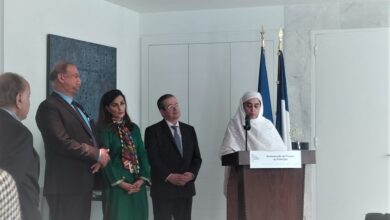
In a landmark step toward women’s economic empowerment, the State Bank of Pakistan (SBP) officially joined the global Women Entrepreneurs Finance Code initiative on Monday. Launched in collaboration with the Asian Development Bank (ADB) and under the leadership of the World Bank, the initiative seeks to reduce Pakistan’s gender finance gap and significantly expand women’s financial inclusion.
The ADB has committed $500 million in financing to support this initiative, which includes a combination of policy-based lending and technical assistance under the Women Inclusive Finance Sector Development Programme. The programme is expected to reach more than two million women across Pakistan, improving their access to credit, loans, and financial services.
Major Banks Commit to Inclusion
As part of this initiative, 20 banks and financial institutions operating in Pakistan have pledged their support. Their commitment aims to make banking more accessible to women through expanded loan eligibility, more inclusive services, and infrastructure such as ATMs and digital platforms. This step follows the SBP’s “Banking on Equality” policy, which aims to reshape institutional approaches and embed gender inclusion into the financial system.
Speaking at the launch event, ADB representative Christine Engstrom emphasized the significance of this initiative in driving inclusive economic growth. “Financial inclusion of women is now a key element of development. If we can help more women access the tools they need, we can shift entire economies,” she said.
Economic Gains on the Horizon
The potential impact of women’s financial inclusion in Pakistan is enormous. SBP’s Abid Qamar shared data indicating that closing the gender gap could raise the country’s GDP by as much as 30 percent. In South Asia as a whole, the gains could exceed half a trillion dollars. According to studies from ADB and the Islamic Development Bank, gender equality in financial access is not only a social imperative—it’s an economic necessity.
Qamar also highlighted that there are currently 17 million working women in Pakistan out of 79 million of working age. With better access to formal financial services, bank revenues in Pakistan could grow by an estimated $650 million, simply by tapping into this underserved population.
Global Backing and Local Commitment
Wendy Teleki, speaking on behalf of the Women Entrepreneurs (WE) Finance Secretariat, praised Pakistan’s inclusion in the initiative. She noted that nearly 30 countries and over 250 financial institutions have signed the finance code globally, with a focus on policy reforms, SME support, and job creation for women.
Teleki said the WE Finance Code is aligned with the United Nations Sustainable Development Goal 5, which centers on gender equality. She added that the programme in Pakistan is expected to grow beyond banks to include digital finance platforms, fintech companies, insurance providers, and equity investors.
State Bank Governor Vows Long-Term Change
Governor of the State Bank of Pakistan, Jameel Ahmad, called the move “a strategic step toward inclusive and sustainable economic growth.” He emphasized that gender equality is both a moral responsibility and an economic necessity.
“No country can progress when half of its population is excluded from economic participation,” he said.
Ahmad pointed out the alarming gaps in education, mobility, skills training, and financial access for women in Pakistan. These gaps not only restrict women’s individual potential but also impact national productivity, saving rates, and investment volumes.
Currently, Pakistan’s female labor force participation is only 22 percent, and there are just 164,000 registered women entrepreneurs. Ahmad acknowledged these figures as unacceptably low for a country aspiring to economic stability and regional competitiveness.
Towards a More Inclusive Future
Governor Ahmad reaffirmed SBP’s commitment to working closely with regulators, banks, the private sector, academia, and government agencies to build an ecosystem that actively supports and promotes women entrepreneurs.
“We will break systemic barriers,” he said, “and we will ensure that women are not just included in our financial system, but empowered to lead, grow, and transform our economy.”
The SBP’s decision to join the Women Entrepreneurs Finance Code is a step toward reshaping Pakistan’s financial landscape—one that prioritizes inclusion, equity, and long-term prosperity for all.