Junaid Family Foundation Joins Forces with Gates Foundation & UNICEF to Boost Maternal Health in Pakistan
New partnership aims to scale Multiple Micronutrient Supplementation (MMS) nationwide to combat maternal malnutrition and support healthier pregnancies across Pakistan.

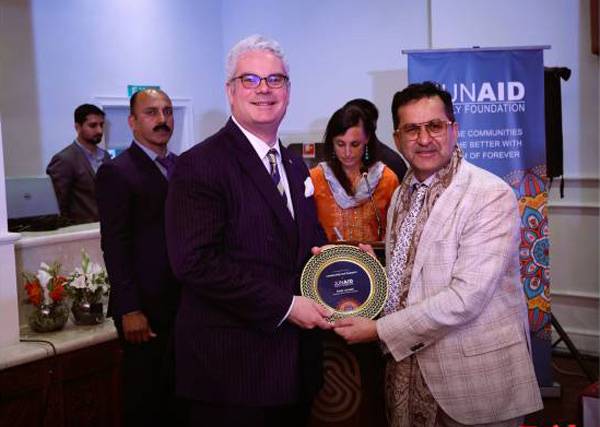
In a major step forward for maternal health in Pakistan, the Junaid Family Foundation (JFF) has signed a landmark Letter of Cooperation (LoC) with the Gates Foundation and UNICEF. The collaboration focuses on accelerating the scale-up of Multiple Micronutrient Supplementation (MMS), a globally endorsed strategy to improve maternal and newborn health.
While Pakistan is already recognized as a global frontrunner in expanding MMS access, the LoC marks a formal commitment to deepen and broaden this effort. It centers on expanding MMS availability to all pregnant women across the country, especially in high-burden and underserved regions.
An estimated 7 million women become pregnant annually in Pakistan, yet only a fraction currently receive MMS. Through joint donations from JFF and Kirk Humanitarian, nearly 2 million women have already benefited. The new partnership aims to close this gap.
“We are honored to collaborate with global health leaders like the Gates Foundation and UNICEF,” said Ansir Junaid, Chairman of the Junaid Family Foundation.
“Their implementation experience combined with our local reach and understanding will help ensure every mother in Pakistan receives the nutrition she deserves—and every child gets a healthy start in life.”
Speaking at a recently organized MMS conference in Islamabad, Junaid outlined the partnership’s core goals:
-
Support government authorities at both federal and provincial levels in policy-making and implementation of MMS.
-
Strengthen supply chains and enhance local production of MMS to ensure affordability and accessibility.
-
Promote awareness around maternal malnutrition and the benefits of MMS through national campaigns.
-
Provide technical support via the Strategic and Technical Working Group on MMS to ensure quality and data-driven implementation.
Maternal undernutrition—including iron, zinc, vitamin A, and folate deficiencies—remains a persistent public health issue in Pakistan. According to health experts, MMS can significantly reduce low birth weight, stillbirths, and maternal anemia. The collaboration will help Pakistan transition from traditional iron-folic acid supplements to MMS as the new standard of care in antenatal protocols.
Jackie Range, Executive Director of JFF, emphasized the broader vision behind the partnership:
“This isn’t just about nutrition—it’s about justice, equity, and long-term impact. Proper maternal nutrition is a right, not a privilege. Our investment today builds stronger communities, healthier children, and a more resilient Pakistan for generations to come.”
Representatives from all three partner organizations reaffirmed the importance of sustained, cross-sector collaboration with provincial, state, and federal health ministries to ensure no woman is left behind. The initiative also encourages private-sector engagement to make MMS both widely available and cost-effective.
This cooperation marks a critical moment of momentum and possibility for Pakistan’s maternal health landscape. By addressing the root causes of maternal and newborn complications through proven nutritional interventions, the initiative aims to create a healthier future—starting with the women who shape it.