Thousands of Afghan Returnees Face Urgent Humanitarian Needs Amid Mass Return from Pakistan
IOM provides critical aid to vulnerable Afghan returnees, with over 128,000 returning from Pakistan in the last month, half reliant on humanitarian support.

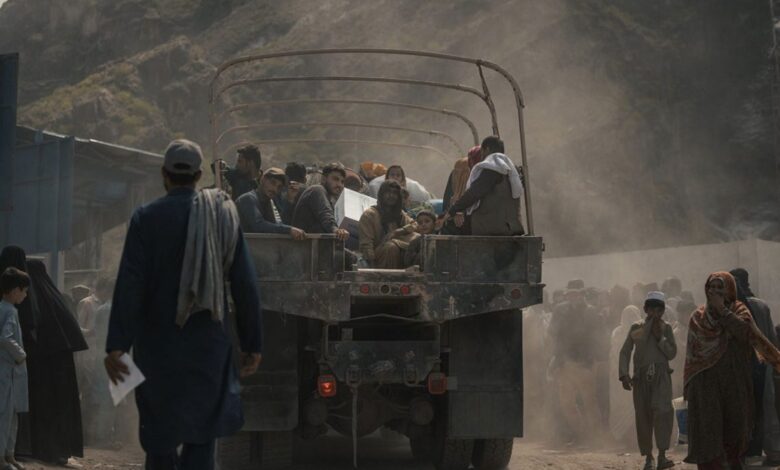
The International Organization for Migration (IOM) has reported a significant humanitarian crisis as thousands of Afghans have been forced to leave Pakistan in recent weeks. Among the returnees, women and children are identified as the most vulnerable groups, requiring urgent assistance to meet their basic needs. According to the IOM, approximately half of these returning families depend heavily on humanitarian aid for survival.
On Monday, May 19, 2025, the IOM confirmed through a post on X (formerly Twitter) that its teams are actively engaged on the ground in Afghanistan. They are delivering vital support including food supplies, cash assistance, healthcare services, psychosocial support, and protective measures to safeguard the wellbeing of returnees. These efforts come amid growing concerns over the scale and urgency of the displacement crisis.
In a detailed statement issued last Wednesday, the IOM revealed that in the past month alone, around 128,000 Afghans have returned from Pakistan to Afghanistan. This massive influx presents an immense challenge for the already stretched humanitarian infrastructure within the country. The organization’s rapid response aims to address the immediate needs of these returnees and help stabilize their conditions during this difficult transition.
Adding to the complexity, the Bakhter News Agency, which operates under the Taliban administration, reported that on Friday, 378 Afghan families arrived in Afghanistan after returning from Pakistan and Iran. This steady flow of families further amplifies the demands on humanitarian groups working tirelessly to provide aid and protection.
The combined data from the IOM and local sources paints a stark picture of ongoing displacement and the urgent requirement for sustained humanitarian intervention. Many of the returnees face precarious living conditions, lack access to adequate shelter, food, and healthcare, and are at heightened risk of exploitation and other protection concerns.
The IOM’s presence on the ground is crucial in delivering timely aid and coordinating with other organizations to maximize the impact of relief efforts. Their teams focus not only on providing essential supplies but also on offering psychosocial care to help individuals cope with the trauma of displacement.
This situation highlights the broader challenges faced by Afghanistan as it continues to grapple with political instability, economic hardship, and ongoing displacement crises. The international community’s support remains vital to ensure that vulnerable populations receive the assistance they need to rebuild their lives.
As the flow of returnees continues, humanitarian organizations like the IOM emphasize the need for coordinated, well-funded responses that prioritize the safety and dignity of all affected individuals, particularly women and children.