Are Women More Emotional Than Men?
Debunking stereotypes and exploring how men and women experience and express emotions differently in a world shaped by culture and biology.

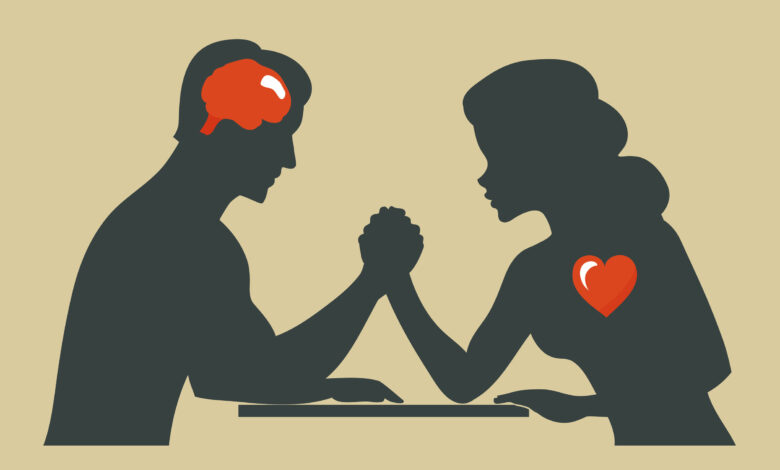
When it comes to emotions, the question of whether men or women are more emotional has sparked endless debates. Society often paints women as the more emotional gender, while men are portrayed as stoic and reserved. But is this really true? Let’s dive deeper into the science, societal influences, and individual differences that shape how men and women experience and express emotions.
The Myth of Gender-Based Emotionality
The idea that women are more emotional than men is deeply rooted in cultural stereotypes. From a young age, girls are often encouraged to express their feelings openly, while boys are told to “toughen up” and hide their emotions. These societal expectations create a false narrative that women are inherently more emotional, while men are less so.
However, research tells a different story. Studies have shown that men and women experience emotions at similar levels. The difference lies not in the intensity of emotions but in how they are expressed and perceived. For example, women are more likely to openly express sadness or fear, while men may channel their emotions into actions or suppress them altogether.
The Role of Biology
Biology does play a role in emotional expression, but it’s not as black-and-white as it seems. Hormones like estrogen and testosterone influence how emotions are processed. For instance, estrogen is linked to heightened emotional sensitivity, which may explain why women are often more attuned to their feelings and the feelings of others. On the other hand, testosterone is associated with assertiveness and emotional control, which might contribute to the perception that men are less emotional.
However, biology alone doesn’t dictate emotional behavior. The interplay between nature and nurture is crucial. Cultural norms, upbringing, and personal experiences all shape how individuals express their emotions, regardless of gender.
Societal Expectations and Emotional Expression
From childhood, boys and girls are socialized differently when it comes to emotions. Girls are often encouraged to be nurturing, empathetic, and expressive, while boys are taught to be strong, independent, and unemotional. These gendered expectations can have lasting effects on how men and women navigate their emotional worlds.
For women, being emotional is often seen as a sign of weakness, even though it’s a natural part of being human. On the flip side, men who show vulnerability are often labeled as “soft” or “unmanly.” These stereotypes can lead to emotional suppression, which can have serious consequences for mental health.
Emotional Intelligence: A Different Perspective
Emotional intelligence (EQ) refers to the ability to recognize, understand, and manage one’s own emotions, as well as the emotions of others. While some studies suggest that women may have a slight edge in certain aspects of EQ, such as empathy, this doesn’t mean men are less emotionally intelligent. Instead, it highlights the different ways men and women are taught to engage with their emotions.
Men often excel in areas like emotional regulation and problem-solving, while women may be more skilled at verbalizing emotions and building emotional connections. These differences complement each other and underscore the importance of valuing diverse emotional expressions.
Breaking Free from Stereotypes
The belief that women are more emotional than men is not only inaccurate but also harmful. It perpetuates gender stereotypes that limit both men and women. For women, it can lead to the dismissal of their feelings as “overreactions.” For men, it can create pressure to conform to unrealistic standards of emotional stoicism.
To move beyond these stereotypes, we need to foster a culture that embraces emotional diversity. This means encouraging men to express their feelings without fear of judgment and validating women’s emotions without labeling them as “too emotional.” It also means recognizing that emotions are a universal human experience, not a gendered one.
The Power of Individuality
At the end of the day, emotionality is not determined by gender but by individuality. Every person has a unique emotional landscape shaped by their biology, upbringing, and life experiences. Some men are highly expressive, while some women are more reserved—and that’s perfectly okay.
By celebrating these differences and rejecting outdated stereotypes, we can create a more inclusive and emotionally healthy society. Let’s move beyond the question of who is more emotional and focus on understanding and supporting each other’s emotional journeys.