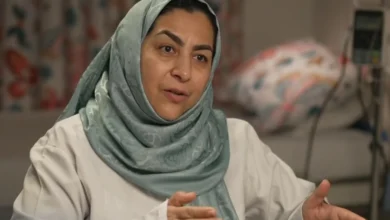


In Pakistan, women’s empowerment has become a major focus in recent times. A remarkable shift in societal attitudes, policies, and initiatives aimed at promoting gender equality and empowering women across various sectors has occurred, despite many obstacles. This article examines Pakistan’s continuous initiatives and advancements in the field of women’s empowerment.
Learning:
Education is one of the main tenets of women’s empowerment. Pakistan has seen a rise in the percentage of female literacy over time. The goal of closing the gender gap in education has been actively pursued by the government and non-governmental organisations. Positive changes have resulted from initiatives to build schools, give scholarships, and raise awareness of the value of education for girls.
Empowerment of the Economy:
In order for women to become independent and actively participate in society, they must be economically empowered. Enhancing economic opportunities for women in Pakistan has been made possible in large part by microfinance initiatives, vocational training programmes, and support for women entrepreneurs. These days, women work in a variety of fields, including technology and agriculture, and they significantly advance the development of the country.
Reforms in the Law:
In order to guarantee women’s rights and protection, legal reforms are essential. Pakistan has experienced progressive legislative reforms aimed at tackling issues like harassment, discrimination, and domestic violence. Legislation safeguarding women’s rights and advancing gender parity has been a step in the right direction.
Engagement in Politics:
Another essential component of women’s empowerment is their active involvement in politics. Women are now more than ever represented in political offices in recent years. A more inclusive political environment has resulted from initiatives to promote women’s participation in elections and the allocation of seats for women in local government bodies.
Well-being and Health:
Enhancing women’s health and wellbeing is essential to empowering them. The general health of Pakistani women has improved as a result of initiatives focusing on family planning, maternal health, and reproductive rights. Although there are still gaps in access to healthcare, especially in rural areas, efforts are being made to close these gaps.
Obstacles and Prospective Paths:
Even though there has been progress, problems still exist. Economic inequality, gender-based violence, and deeply ingrained social norms all continue to impede Pakistani women’s progress towards full empowerment. Sustained endeavours ought to concentrate on altering societal perspectives, fortifying the procedures for executing current legislation, and cultivating a milieu that endorses the rights of women.
Pakistan’s dynamic process of women’s empowerment is characterised by both successes and setbacks. Positive change has been made possible by the combined efforts of the government, civil society, and international organisations. Building on past victories and aiming for a time when every Pakistani woman can reach her full potential and make a positive contribution to the country’s prosperity are crucial as the country pursues gender equality.