Do Pakistanis Know UN Just Said Kids Shouldn’t Be Exposed to Animal Abuse?
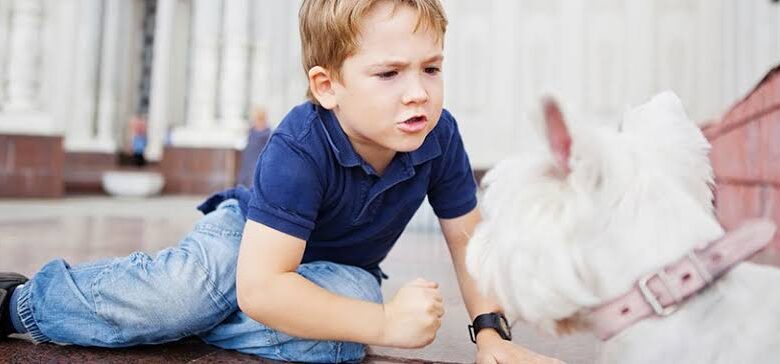
Probably not because I haven’t seen any local news media report on it. While several developed countries have long established the undeniable cyclical link between animal abuse, human abuse, crimes, and domestic violence, and how it affects children, Pakistanis sneer that animal welfare and rights are not worthy of recognition.
The fact that Pakistan has laws for animals but no lawyers who specialize in animal rights (except for Hira Jaleel who now resides in the US), also speaks volumes on the matter.
The modern world rejoiced on August 30 when the UN Committee on the Rights of the Child made the historic announcement that children must be protected from all forms of violence and exposure to violence, including violence against animals. Its guide – ‘General Comment No. 26’ – states that “Children must be protected from all forms of physical and psychological violence and from exposure to violence, such as domestic violence or violence inflicted on animals.”
Meanwhile, Pakistan slumbered in its corner, worrying only about rising petrol prices and record-high electricity bills.
Priorities.
Pakistan is a country where people take pride in flaunting brute aggression and almost every other household has experienced some form of domestic violence. Here, the average man has little to no regard for the law or law-enforcement agencies and vice-versa. So, violence and abuse against both animals and humans is unrestrained and rampant.
Ironically, but not surprisingly, according to the National Commission for Human Rights Domestic Violence Policy Brief 2023, “There are limited statistics available on domestic violence in Pakistan.” However, the available figures are “likely much higher due to underreporting.”
It is interesting that the brief mentions that domestic violence has a significant impact on children in Pakistan and around the world. It explains that “children who grow up in affected households are more likely to become perpetrators of violence themselves in the future.”
This is precisely what the UN Committee on the Rights of the Child meant when it specified that minors must be kept away from violence against animals.
The Franz Weber Foundation (FFW), which fights against animal abuse, highlighted that “the Committee’s call is an important wake-up call to all countries, especially those with specific practices of animal abuse normalized as a cultural, social or traditional heritage.”
It wouldn’t be wrong to say that Pakistan falls into this category. A very recent example is of Pakistani kids in Karachi torturing a donkey and a dog with banned vuvuzelas. Clearly, an adult filmed both instances and did not bother to intervene, and that speaks for itself.
FBI agent Robert K. Ressler, who developed profiles of serial killers, affirmed that “Murderers … very often start out by killing and torturing animals as kids.” This connection between animal abuse and violence against humans is referred to as “The Link.”
There is also overwhelming global evidence that abusive individuals and partners often have a strong history of animal abuse and often harm family pets to terrorize their family members.
Anyone with a functional brain would understand “The Link” and why it is critically essential for animal abuse to be taken seriously – not only for the sake of animals but also for the safety of observers and children who are also at risk of being abused and can, in turn, potentially become abusers of humans and animals themselves, thus perpetuating the sick and perverted cycle. But when will Pakistanis join the dots?
There is no shortage of local news reports of Pakistanis gleefully participating in, observing, cheering on, and recording instances of unprovoked animal abuse both in private and in public. It really begs the question of why live animal abuse continues to be “entertainment” in Pakistan and why no research has been done on “The Link” here.
I spoke to three lawyers about it last month and came to a dead end every time.
Recognizing animal cruelty as a serious and violent offense is still a distant dream for Pakistan, and now that the UN has made “The Link” obvious and important, at least for children, I hope that it will open the eyes of my slumbering countrymen (and women), and will push lawmakers to incorporate the announcement into child protection laws so that the younger generations will have lesser animal abuse statistics to boast of.
It is also high time the provinces also woke up and included a course on animal rights and welfare in all schools’ curricula just like Islamabad did last year. The world does not just belong to adults, but to children and animals, too. I hope Pakistan can recognize this soon.