
Women Leading the Clean Energy Shift
UN-backed initiatives are placing women at the forefront of renewable energy, boosting investment and STEM participation in developing nations like Zimbabwe.

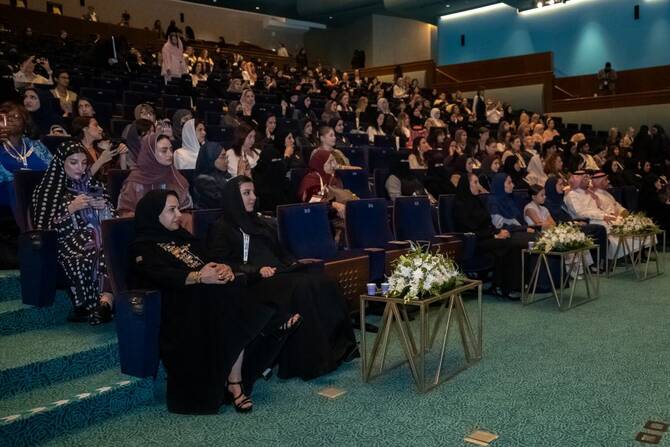
At the second Creative Women Forum in Riyadh, Lisa Kurbiel, head of secretariat at the UN’s Joint SDG Fund, emphasized the growing role of women in the global clean energy transition. The forum, held from November 4-6, included keynotes, workshops, panels, and interactive sessions focused on empowering women across sectors, including renewable energy.
Kurbiel highlighted that the UN’s Joint SDG Fund is actively supporting programs that increase women’s participation in energy projects in developing countries. By providing financial mechanisms and de-risking investments, these initiatives aim to encourage more women-led enterprises to engage in sustainable energy solutions.
One notable example is Zimbabwe, where a partnership between the government and Old Mutual, a pan-African financial services group, created a renewable energy investment fund. Over half of the firms supported by this fund are led by women. The initiative, which began with a $30 million fund, is expanding to a second phase valued at approximately $100 million. This expansion aims to attract larger clean energy investments and support hundreds of enterprises, including those led by women and youth, across solar, hydro, biomass, and mini-grid projects.
Kurbiel stressed that women’s involvement is essential at every stage of the energy transition—from laboratories and engineering roles to boardrooms and leadership positions. She emphasized that integrating women in STEM fields is crucial for shaping the future of sustainable energy technologies, including solar, wind, hydro, and eventually hydrogen.
The Joint SDG Fund’s work reflects broader Sustainable Development Goals, particularly SDG 7 on affordable and clean energy and SDG 5 on gender equality. By combining financial support with policies that prioritize women’s leadership, the fund aims to close energy access gaps while empowering women to lead the clean energy revolution.
This approach highlights how inclusive investment and talent development can drive both sustainable energy progress and gender equality. Women are not just participants in the transition—they are becoming central to shaping a cleaner, more sustainable future.