Punjab Launches Free HPV Vaccination Drive Targeting 8 Million Girls
Campaign begins Sept 15–27 to prevent cervical cancer, with special focus on out-of-school girls

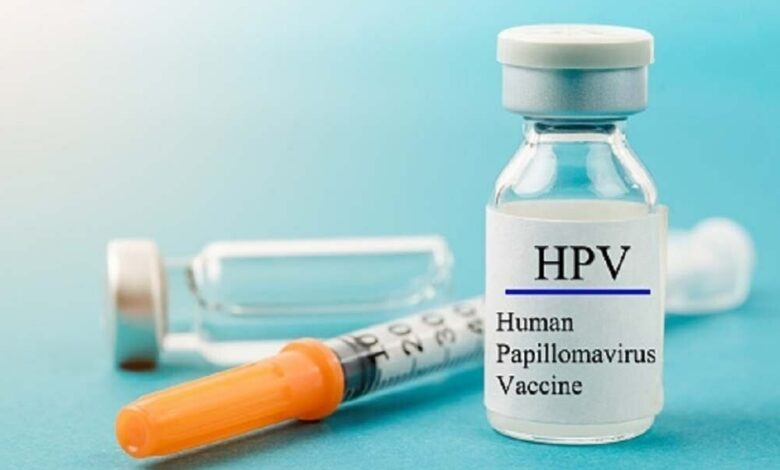
Punjab is set to roll out one of its most ambitious health campaigns yet, introducing the human papillomavirus (HPV) vaccine into its routine immunisation programme for girls aged 9 to 14. Scheduled from September 15 to 27, the campaign aims to vaccinate over 8 million girls across the province, with a particular focus on reaching the 2.5 million out-of-school girls who remain most vulnerable, especially in flood-affected and marginalised communities.
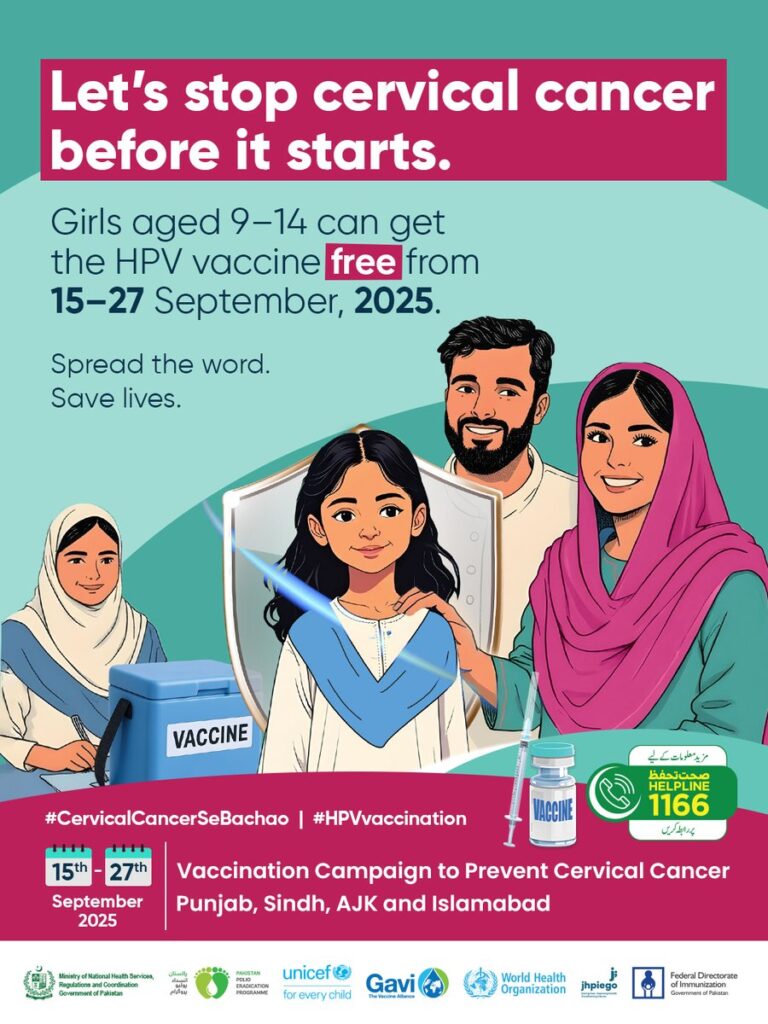
The HPV vaccine is recognised worldwide as a key tool in the fight against cervical cancer, the third most common cancer among women in Pakistan and the second most common among women aged 15 to 44. Pakistan, as a signatory to the 71st World Health Assembly Resolution of 2018, is committed to the global 90-70-90 strategy by 2030: 90% of girls vaccinated against HPV by age 15, 70% of women screened by 35 and again at 45, and 90% of women with cervical cancer receiving treatment or palliative care.
Until now, HPV vaccines were only available at private hospitals, often at prohibitive costs, leaving millions of young girls unprotected. This new campaign marks the first time in a decade that the vaccine will be provided free of charge under the Expanded Programme on Immunization (EPI). Punjab’s EPI has made extensive preparations to overcome the challenges of vaccinating out-of-school girls, especially those living in nomadic communities, migrant populations, red-light areas, and flood-hit zones where infrastructure has been badly damaged.
Dr. Samra Khurram, Punjab’s EPI Director, emphasised that this campaign differs significantly from previous immunisation drives. “A lot of girls in this age group are out of school. We have deployed 6,277 outreach teams and over 13,000 social mobilisers to ensure the vaccine reaches them. Separate operational plans have been developed for remote and underserved areas, including setting up kit stations at community leaders’ homes, hujras, and lady health workers’ residences,” she explained.
Special mobile teams will also reach high-risk populations, including girls in prisons, orphanages, markets, transport hubs, and rural fields. Civil society organisations have been engaged to strengthen outreach and trust-building, particularly within underserved communities.
While the scientific explanation of HPV and cervical cancer prevention may be difficult for younger girls to grasp, Dr. Samra acknowledged the importance of addressing fears and misinformation. “There is injection fear and communication challenges with this age group, but we have trained vaccinators, nurses, and lady health visitors who will be administering this single-dose vaccine safely and effectively,” she said.
Pakistan is not alone in this endeavour—over 144 countries, including Muslim nations such as Saudi Arabia, UAE, Qatar, Malaysia, and Indonesia, have already introduced the HPV vaccine into their national programmes. Drawing lessons from their experiences, Punjab’s EPI has developed a robust operational strategy tailored to local needs.
Health experts stress that the introduction of the HPV vaccine is not just about prevention but about equity. Cervical cancer disproportionately affects women in low-resource settings, where lack of screening and healthcare access often leads to late diagnoses. By prioritising vaccination for young girls, Punjab is taking a significant step toward protecting future generations and breaking the cycle of preventable cancer.
The campaign is expected to cover more than 5.5 million school-going girls while placing special focus on the 2.5 million out-of-school girls, ensuring no child is left behind. With strong coordination, community involvement, and international best practices guiding the initiative, Punjab’s HPV vaccination programme has the potential to become a model for other provinces and countries tackling similar challenges.
This landmark campaign represents hope and progress, offering free protection against a deadly but preventable disease and moving Pakistan closer to its global commitments for women’s health.