
Heart Disease Poses Rising Threat to Women in Pakistan
New study reveals delayed diagnoses, higher mortality, and urgent need for gender-focused cardiac care

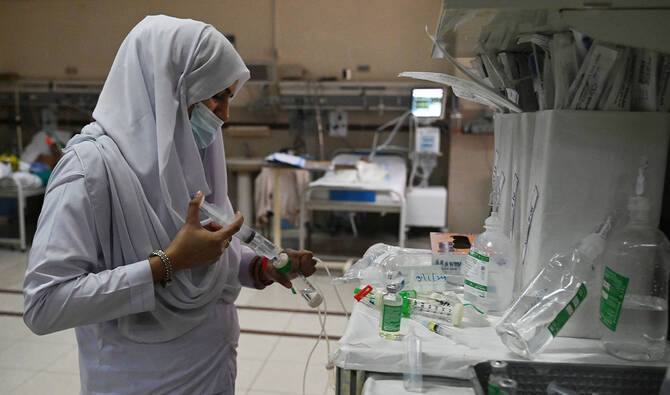
A groundbreaking hospital-based study has unveiled a silent yet severe health crisis in Pakistan — heart disease is killing more women than previously acknowledged. The research, published in npj Women’s Health, analyzes data from over 14,800 patients at the National Institute of Cardiovascular Diseases (NICVD), exposing gender disparities in diagnosis, treatment, and survival outcomes.
The findings highlight that Pakistani women not only face a higher risk of dying from heart conditions than men but also present with more complex symptoms and experience longer delays in receiving care. Many are diagnosed later, referred for surgery much later, and have poorer outcomes following treatment.
Alarming Trends in Women’s Cardiac Health
According to the study, women were more likely to suffer from valvular heart disease (VHD), particularly mitral valve disease, and often presented at a younger age compared to men. Rheumatic heart disease emerged as the most common cause of left-sided VHD in women.
Among women hospitalized with acute coronary syndrome (ACS), researchers noted a significantly higher prevalence of diabetes and hypertension. These women also faced longer delays in life-saving procedures like angioplasty and higher mortality rates.
Systemic Gender Gaps in Care
The study warns that these issues are not isolated but stem from systemic gender bias in healthcare. Women are often underrepresented in cardiovascular clinical trials, underdiagnosed in emergency departments, and referred for procedures at later stages of illness. These patterns reflect a broader failure to prioritize women’s heart health in Pakistan’s healthcare system.
Despite the global knowledge that heart disease is the leading cause of death among women, the problem remains largely unaddressed in Pakistan, where public health systems are overburdened, underfunded, and heavily centralized.
Urgent Need for Gender-Inclusive Policies
The authors of the study call for urgent reforms, including gender-specific data collection, community-level screening programs, and women-focused public health awareness campaigns. They also emphasize the need for investment in gender-sensitive healthcare delivery, especially in rural and underserved areas.
Preventive care and early intervention could significantly reduce mortality, yet few such programs exist for women in Pakistan. The lack of education, access, and cultural taboos around women seeking cardiac care further worsen the crisis.
As Pakistan confronts a rising burden of non-communicable diseases, the gender gap in cardiac care can no longer be ignored. Heart disease is not just a man’s problem — it is a growing killer of women, and unless addressed with targeted, systemic change, the toll will only rise. It’s time for policymakers, healthcare providers, and communities to take women’s heart health seriously and act accordingly.