Frontlines Perspective: Why Pakistan Needs Better Animal Studies Curricula
That’s why Pakistanis do not even know that the developed and civilized world observes World Farm Animal Day on October 2 – a day set apart to recognize the abuse and maltreatment that farm animals and livestock are subjected to.
Similarly, not many Pakistanis know or care that today is World Animal Day because it means nothing to them. Fortunately, there is a small but growing ،،population in the country that believes in animal welfare and is advocating for greater recognition and provision of their rights.
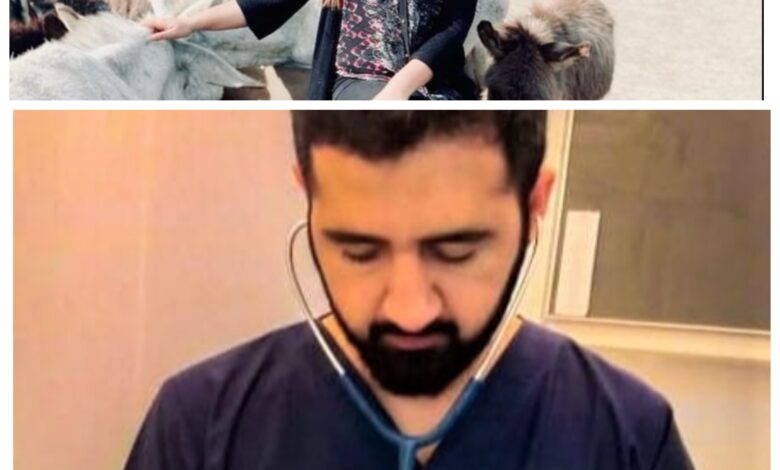
One of them is Dr. Muhammad Awais, the head doctor at Pets & Vets Hospital Bahria Town, Rawalpindi, who is one of the kindest but most skilled vets in the twin cities.
His soft-spoken demeanor belies his unparalleled knowledge and selfless passion for animal rights, and he raises eyebrows when he says that he is strongly against keeping any animal in a cage as cages are not their natural habitat. He also disagrees with the concept of zoos as they perpetuate the detestable practice of keeping animals to be viewed, humiliated, and photographed by humans for the price of a ticket.
Dr. Awais also feels that humans should be caged and visited just like animals are at zoos.
On a more serious note, he considers wildlife “an important aspect of any country and place” and Pakistan has a lot of beautiful fauna but a lot needs to be done to preserve it, ensure that it can survive, thrive, and reproduce in natural habitats, and to relocate wild animals to species-appropriate habitats when needed.
He wants Pakistan to have more wildlife reserves and wildlife rehabilitation centers, and that there should be a lot more done in the field of wildlife management and treatment. Of course, the Islamabad Wildlife Management Board (IWMB) only serves the twin cities, and there is a need for more to be done on this front throughout the country by the official wildlife departments.
Dr. Awais pointed out the shameful cases of how the authorities mistreated all the elephants under their care – most notably Kaavan and Noor Jehan, and now Madhubala who could not survive in the zoos in Islamabad and Karachi. The government authorities have repeatedly flown in Dr. Amir Khalil and his team from FOUR PAWS International to treat them and other wild animals in zoos here but this points to another equally important area that Pakistan is lacking in – local vets specializing in large and wild animals. Clearly, Pakistani vets are not qualified to take care of wild animals in zoos, but why is this, and why is the Ministry of Higher Education not doing anything about it?
Dr. Awais opined that the entire veterinary studies curriculum should be more case-based and linked with professional work ethics and case dealing. He explained that excluding live case studies both inside and outside the classroom from the curricula is a major drawback for future veterinary doctors.
Based on his experience, Dr. Awais also revealed that the majority of the graduates from Pakistani veterinary universities who start working at clinics and hospitals are subpar and need a lot of help and guidance from senior doctors before they can actually start working as vets.
Another gaping hole in the extended system that Dr. Awais identified was the lack of local research. He feels that if this area is developed, Pakistan can manufacture its own medicines, vaccines, machinery, diagnostic tools, and even food for animals, which are mostly imported, often too expensive, and sometimes unavailable. It is time to flip things and empower Pakistanis to work in these industries, and it can be done, but all it needs is awareness and motivation to begin with. This is why World Animal Day should be utilized to highlight these shortcomings and to offer viable solutions to them.
Fortunately, there are other revolutionary thinkers and doers in Pakistan like Zufishan Anushay, the founder and CEO of Justice for Kiki (JFK) Animal Rescue and Shelter, which is Pakistan’s largest animal shelter.
JFK is based in Lahore, and Zufishan Anushay is the first Pakistani to introduce the country to the practice of saving the lives of retired police dogs and legally rehoming them this year. Her project with the Punjab Police started with a humane way of retiring sniffer dogs earlier this year, and it led to the establishment of the Police Animal Rescue Center (PARC), which is based on the initiative of IGP, Dr. Usman Anwar.
The PARC is supported by a number of law firms and more than 15 lawyers, all working together to fight animal cruelty voluntarily.
She holds the same opinions as Dr. Awais – that zoos must not exist and that Pakistan must build its own rehabilitation centers, especially for wild animals, as it is difficult to move them out of Pakistan again and again. Besides this, she thinks it is important for Pakistani authorities to bring in experts from other countries to train animal welfare staff and other people in the field.
She added, “We should have 3D animals for entertainment, and the existing animals should be moved to a sanctuary that should be built according to international standards.”
Regarding her own work, Zufishan Anushay revealed that she is focusing on developing and introducing better policies, systems, legislation, and activation of the government departments.
“It is crucial. As NGOs and shelters, our work and powers are limited, but if the government departments start working for animals, it can be huge and something that stays forever,” she stressed.
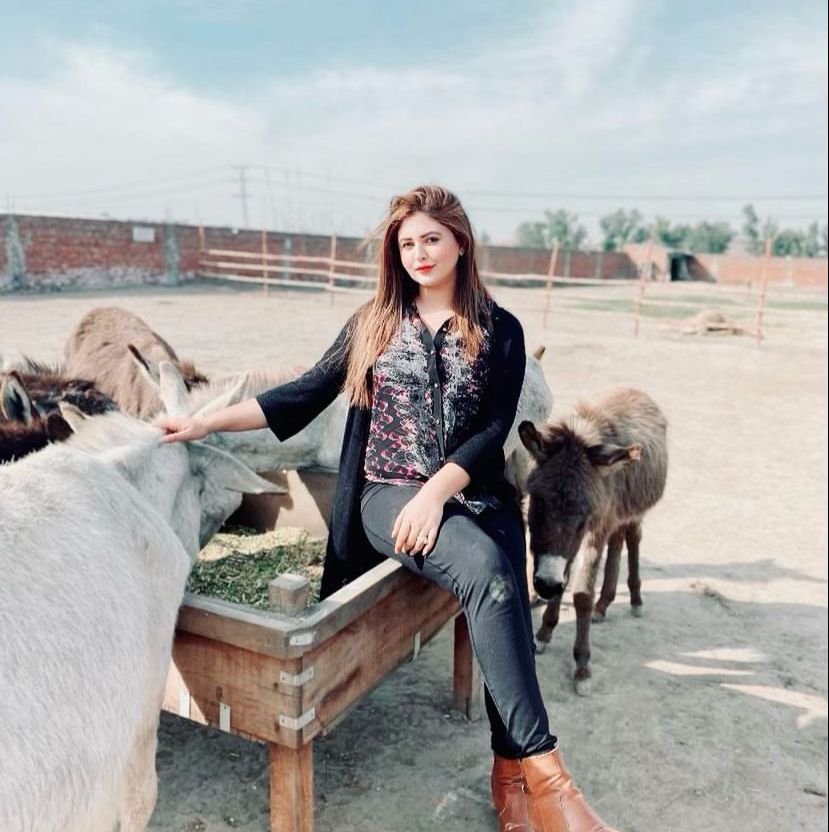
“The Punjab Police has shown a great interest in helping the vulnerable and it makes me really happy. I believe things are going in the right direction, for the first time a curriculum [for schools in Islamabad] was designed that included animal rights, the police started various projects that included the wellbeing of animals, and social media and other media channels are actively discussing animal-related issues and cases,” Zufishan Anushay elaborated.
She added that she prioritizes involving students and children to volunteer with JFK’s work because she views it as laying the foundation for what will bring change in the future.
“This way, these children will be more empathetic and kind,” she explained.
Regarding the importance of World Animal Day, Zufishan Anushay considers it important for animals to be recognized and have a day dedicated to them.
“Animals can’t speak for themselves and we must be their voice and advocate for them,” she urged.
On the other hand, Dr. Awais highlighted that people now actively want more information about animals, their sicknesses and issues, food, treatments, their pets’ overall wellbeing, among other topics of interest, and are understanding that they can become more involved in pet care at home, which is why proper dissemination of information about animals is important.
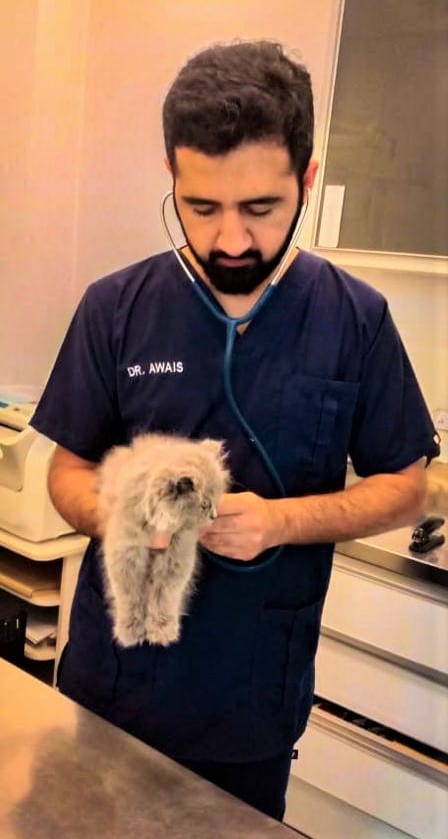
He also highlighted the importance of making people understand animal concerns and behavior, and how to behave (and not to misbehave) with them both inside and outside homes beyond videos that are shared on social media.
He mentioned that there is a lot of work that needs to be done here on a very large scale for the coming generations, and concurred with Zufishan Anushay that schools are an ideal medium to impart such information to the new generation and inculcate love and respect for animals in them in a manner that they will grow up with to improve animal welfare in Pakistan.