Almost One-Third of Women Faces Violence Worldwide: WHO
A new WHO report reveals that nearly 840 million women worldwide have faced intimate partner or sexual violence in their lifetimes.

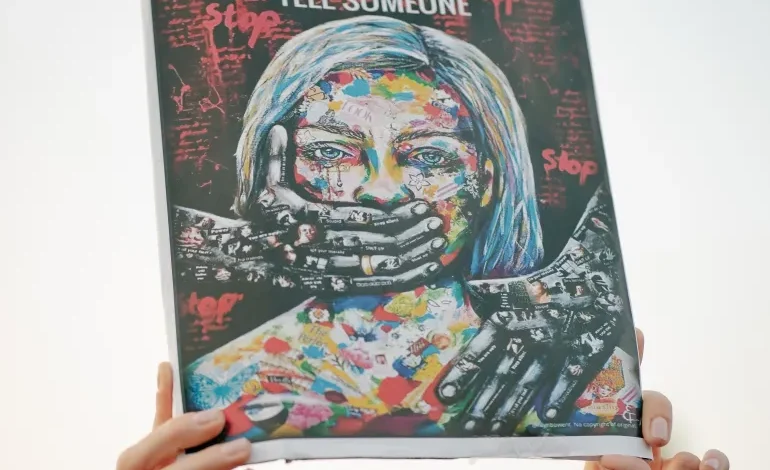
Nearly one in three women across the world have endured intimate partner or sexual violence at some point in their lives, according to a new report released by the World Health Organization. The findings highlight a persistent and deeply rooted crisis affecting about 840 million women globally. The report also revealed that 316 million women and girls aged 15 and older were subjected to physical or sexual violence by an intimate partner over the past year alone. This means that around 11 percent of all women in this age group experienced violence within just twelve months. These numbers underscore how widespread and normalized violence against women remains, despite decades of advocacy and policy commitments.
The WHO’s Director-General Tedros Adhanom Ghebreyesus described the situation as one of humanity’s oldest and most pervasive injustices. He emphasized that no society can claim to be fair or safe when half of its population continues to live with fear and vulnerability. Behind every number presented in the report is a person whose life has been changed by trauma, loss of safety and long-lasting emotional damage. The WHO stressed that ending violence against women is far more than a policy issue; it is a matter of dignity, equality and fundamental human rights.
The report arrives ahead of the United Nations’ International Day for the Elimination of Violence Against Women and Girls, serving as a stark reminder of how far the world still has to go. Covering data from 168 countries over more than two decades, it provides one of the most comprehensive global assessments of violence faced by women. Despite the scale of the crisis, the report also highlights how severely underfunded prevention and response initiatives remain. Global aid dedicated to preventing violence against women was just 0.2 percent of total funding in 2022. Even more concerning is that these small allocations have dropped further this year due to major cuts in foreign aid and development budgets by the United States under President Donald Trump.
The WHO warns that violence against women continues to be a neglected global emergency, despite overwhelming evidence of its impact on public health, social development and entire communities. The lack of investment signals how often women’s safety is treated as secondary, even when the scale of violence reaches epidemic proportions. Many programmes that support survivors or work to prevent abuse face shrinking budgets, staff shortages and limited reach, leaving millions without essential protection or services.
The report also draws attention to the growing risks faced by women living in conflict zones, humanitarian settings and other fragile environments. Rising armed conflicts, prolonged crises and environmental disasters have placed women and girls at even greater risk. Displacement, instability and the breakdown of protection systems create conditions where intimate partner violence, sexual assault and exploitation become more widespread. Women fleeing their homes or living in temporary shelters often lack access to basic safety mechanisms, making them more vulnerable to abuse. The WHO notes that violence in these settings is not only more frequent but often more severe, with limited medical, legal or psychological support available.
Despite the grim global picture, the findings reinforce the urgent need for stronger action. Governments, international institutions and civil society have evidence of what works, including survivor-centered services, community interventions, legal reforms and education campaigns. However, without consistent funding and political commitment, progress remains slow and uneven. The WHO urges countries to prioritize violence prevention in national budgets, strengthen legal protections, train frontline responders and ensure that survivors have access to comprehensive support systems.
The global crisis of violence against women is not inevitable. It is preventable, but only if societies treat it with the seriousness it demands. The report serves as a powerful reminder that every statistic represents a life disrupted or broken, and that meaningful change requires persistent, coordinated and well-resourced action across all sectors.