Bangladesh Urged to Rethink Women’s Representation
NCC’s decision to retain current reserved seats criticized for excluding women’s voices, sparking calls for genuine reform

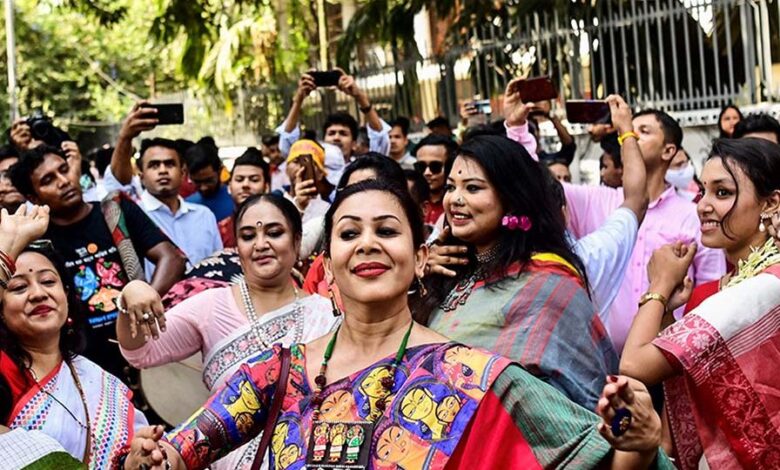
The National Consensus Commission’s recent decision to retain the current number and nomination process for Bangladesh’s reserved women’s parliamentary seats has sparked disappointment and criticism. Despite women comprising half the nation’s voters, only 50 out of 350 seats—just 14 percent—are reserved for women. The decision reflects a lack of meaningful commitment to female political empowerment and echoes growing concerns about the erosion of women’s rights in the country since last year’s regime change.
There were early signs this outcome was inevitable. Women have faced increasing hostility in public spheres, and gender-sensitive issues have often been sidelined. Out of all the reform commissions formed recently, only one was led by a woman. The NCC itself comprises seven members—none of whom are women. Even more troubling, the Women’s Affairs Commission’s report was reportedly not considered in the NCC’s discussions, with officials claiming it fell outside the body’s “terms of reference.” This exclusion raises serious questions about the priorities of the reform process.
If recommendations addressing the needs of half the population are dismissed as irrelevant, it becomes clear that equity is not at the heart of the reform agenda. Critics argue that the omission may have been deliberate, a move to avoid confrontation with conservative forces resistant to progressive gender reforms.
The situation is worsened by the lack of female representation during the commission’s daily proceedings. Established parties, including the BNP—which has been led by a female chairperson for over 40 years—sent predominantly male delegations. Newer parties also failed to ensure gender diversity. Even the National Citizen Party, which once rallied support under the banner of a discrimination-free society, didn’t present a credible number of women representatives. Minority voices, too, were noticeably absent, further weakening the inclusiveness of the reform process.
Given this context, there is widespread skepticism about the commitment of political parties to field at least five percent female candidates in the upcoming elections. Activists warn that even if this promise is kept, women may be placed in constituencies with little chance of winning, thereby reinforcing tokenistic representation rather than genuine participation.
Symbolic reforms have long failed to yield substantial progress for women in Bangladeshi politics. True empowerment requires structural changes and a shift in political will. Without that, the promise of equity and fairness in democratic reform remains unfulfilled.
There is still time to redirect the course. Rights groups are urging the NCC and all political parties to revisit the current decisions and engage in meaningful dialogue with women’s organizations and minority representatives. Any reform that excludes these voices risks becoming hollow and disconnected from the realities of a diverse population. To build a truly democratic and inclusive society, representation must reflect the people it serves—and that includes women.