
Empowering Rural Women to Combat Climate-Driven Poverty
Over 250 women in Thatta benefit from literacy, vocational training, and livelihood support under SCF’s SURMI project

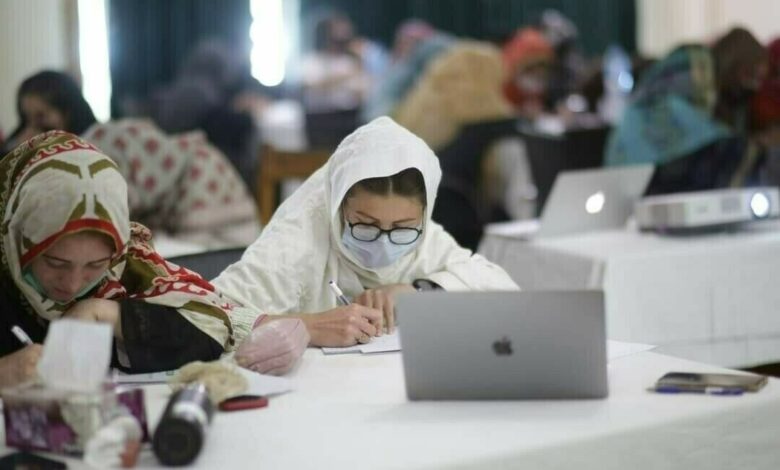
The Women Economic Development Forum held in Hyderabad marked a significant milestone in the fight against climate-induced poverty through women’s empowerment. Organized by the Sindh Community Foundation (SCF) under the SURMI project with support from Pathfinder International, the event celebrated the completion of key development initiatives that directly benefited over 250 women from 35 villages in District Thatta. These initiatives included adult literacy programs, vocational skills training, and the distribution of livelihood assets designed to promote long-term economic resilience.
Javed Hussain, Executive Director of SCF, in his keynote remarks, highlighted the strength and potential of rural women in traditional crafts and micro-enterprises. He stressed that despite their determination and talent, these women often face systemic barriers such as limited access to markets, seed capital, and institutional support. He warned that climate change is not only damaging livelihoods but also placing an added burden on women, worsening poverty in already vulnerable areas. To address this, SCF has launched the Women Economic Empowerment Fund, aiming to support rural women beyond project cycles and help restore livelihoods affected by climate shocks.
The event featured a panel of government officials, development professionals, and civil society leaders who echoed the need for comprehensive support for women-led enterprises. Ghulam Dastgeer, Additional Deputy Commissioner-I; Khuda Bux Bahrani, Additional Director of the Social Welfare Department; and Fayaz Wagan, Deputy Director of Livestock Management, emphasized that training alone is not enough. They pointed out the necessity of linking women entrepreneurs to seed funding, incubation platforms, marketing networks, and physical infrastructure to ensure sustainable growth.
Other speakers, including Hira Arain, Manager of Economic Empowerment at SCF; Humera Ali, Project Manager; and Noor Serai, District Education Officer (Primary), reinforced the importance of strong partnerships and long-term planning. Journalist Javed Lateef and civil society members like Irshad Ahmed and Asmat Bibi also addressed the audience, sharing insights on the impact of localized development initiatives in improving livelihoods.
A key highlight of the event was the recognition of 30 Women Climate Champions who were supported with a range of livelihood assets such as goats, sewing machine kits, grocery shop setups, crockery stalls, and traditional Manyari products. These resources have enabled the women to either launch or scale their micro-businesses, enhancing their capacity to withstand the impacts of climate change. Their stories were a powerful testament to the resilience and entrepreneurial spirit of rural women when given the right tools and opportunities.
Additionally, 86 women were awarded certificates for completing six-month adult literacy programs, while another 110 women received certification in advanced vocational and skills training. These educational achievements reflect the broader vision of the SURMI project—to empower women not just economically, but holistically, enabling them to participate confidently in both community and economic life.
The forum concluded with a strong call to action. Speakers urged both the government and private sector to build on the success of the SURMI project and scale up efforts to support women’s entrepreneurship, especially in areas vulnerable to climate change. The event not only showcased the tangible impact of community-based initiatives but also underscored the need for continued investment in women’s economic development as a pathway to resilience and poverty reduction.