How Hindu Women in Rural Sindh Are Driving Economic Empowerment Through Garment Manufacturing
A small sewing unit in Mirpurkhas, led by Hindu women, transforms lives with steady income, skill-building, and dignity — breaking barriers of caste, poverty, and gender.

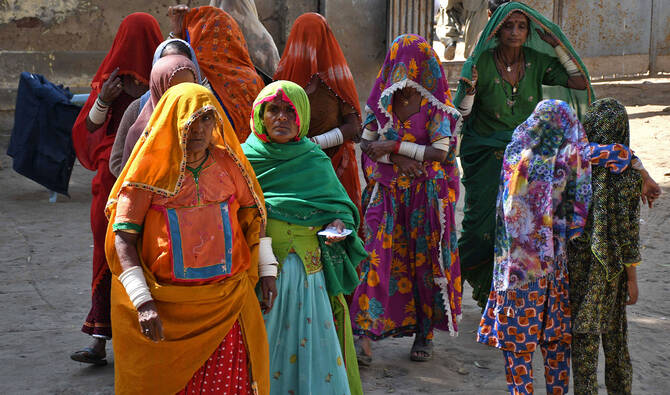
In a modest sewing unit tucked away in Sufi Colony, on the fringes of Mirpurkhas, the rhythmic sound of sewing machines echoes every morning. This is the BRIT Women’s Garment Unit — a quiet revolution led by marginalized Hindu women in rural Sindh.
Here, 25-year-old Sanjana Dileep stands out. As the swiftest seamstress on the production floor, she balances her role as a divorced mother and co-owner of the factory with a calm resilience. “We create jackets and suits that go abroad,” she says. “It’s a job that brings dignity and support to our families.”
Launched through a Rs2 million ($7,000) interest-free loan from the Sindh government’s People’s Poverty Reduction Program (PPRP), BRIT is more than just a factory — it is a rare symbol of inclusion and opportunity in an area where poverty, caste, and gender typically limit choices for Hindu women.
The statistics paint a grim picture: only 10.8% of rural women in Sindh are part of the labor force, compared to 49.1% of men. In Mirpurkhas, women’s literacy stands at just 34.8%, and the district bears the highest child labor rate in the province. Against this backdrop, BRIT is a lifeline.
Each woman earns around Rs25,000 ($88) a month — a game-changing income in these communities. The garments they stitch, such as cargo pants and winter jackets, enter international markets through partnerships with major Karachi-based exporters like Apex Garments and H. Nizam Din & Sons.
Project supervisor Mohan Das explains the current scale: “We have 20 machines running full time — some for training, others for production. Our goal is to reach 100 machines soon.”
This initiative is especially significant for Hindu women, who are often relegated to menial labor as housemaids or farmhands. BRIT offers structured employment and, for many, a first step toward financial independence.
Eighteen-year-old Madhu Omprakash is one such example. A recent recruit, she’s already among the fastest learners. “This job helps me support my widowed mother and my education. And we’re doing it with dignity,” she says, dreaming of one day becoming a doctor.
Another young tailor, Kaushila, sews 15 to 20 jacket linings a day, earning around Rs800 ($3) daily. Adorned in traditional Thari bangles, she represents the cultural pride and hardworking spirit that power BRIT.
The factory produces up to 5,000 pieces each month, generating around Rs600,000 ($2,100) in revenue. It operates under a Cut, Make, and Trim (CMT) model, receiving pre-cut fabric from Karachi firms and stitching it into export-ready garments.
However, global demand shifts — particularly in the U.S. market — have recently posed challenges. “International orders have slowed,” Das says, “so we’re turning to local sales.”
Lal Chand, BRIT’s marketing lead, sees opportunity in adversity. “We’re connecting with Pakistani brands and planning to build our own export platform,” he says. This would allow them to bypass middlemen and retain more profits.
The Sindh Rural Support Organization (SRSO), which implemented the PPRP, sees BRIT as a success story among several microenterprises established before the program wrapped up in mid-2025. “The local community now submits business plans independently. This project has strong potential for growth,” said district manager Syed Shahanshah.
For Dileep, the transformation is deeply personal: “We were struggling before. Now, we’re standing on our own feet. This factory gives us purpose — and a future.”
As Mirpurkhas women move from the margins to the mainstream of economic life, their story stitches together hope, resilience, and the promise of a better tomorrow — one garment at a time.