Afghan Women Seek Hope Through Pakistani Scholarships
Afghan women travel to Peshawar for scholarship exams after Taliban bans university education for women in Afghanistan, offering a chance for a brighter future.

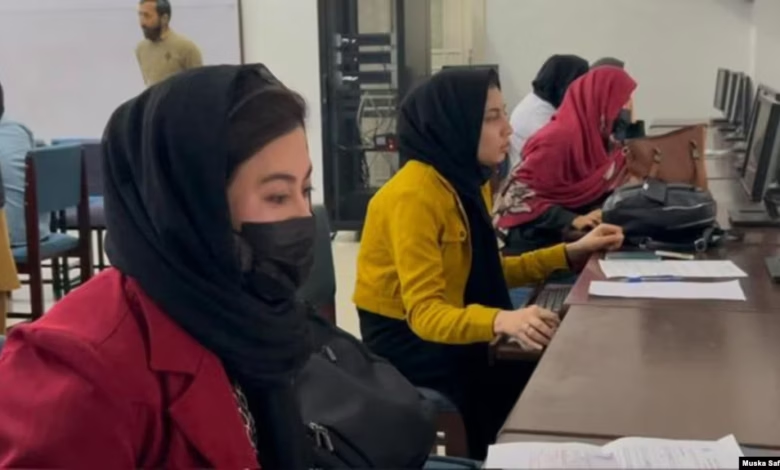
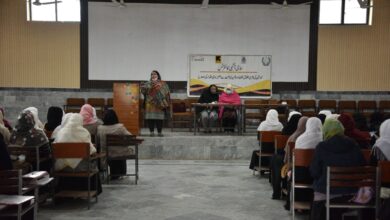
In a courageous move, Susan Salih, 25, traveled for about eight hours from Kabul, Afghanistan, to Peshawar, Pakistan, to take a scholarship exam provided by the Pakistani government for Afghan students. Despite the option to take the exam online, Salih and other young Afghan women traveled with their families to ensure they didn’t miss this life-changing opportunity.
The scholarship exams are part of Pakistan’s effort to provide hope and a future to Afghan students, especially women, after the Taliban’s ban on female education. In 2022, the Taliban prevented women from attending universities in Afghanistan, leaving many young women like Salih with no chance to pursue higher education in their home country. This scholarship offers a glimmer of hope for those looking to continue their studies and build a brighter future outside Afghanistan.
The scholarships, announced by Pakistan’s Higher Education Commission (HEC), are part of the 4,500 Allama Muhammad Iqbal Scholarships for Afghan students. Among the 21,000 applicants, around 5,000 were young women, with 2,000 scholarships specifically designated for them. These scholarships cover a range of expenses, including tuition fees, hostel dues, living allowances, books, and travel costs, making higher education accessible for many students who otherwise might not have the financial means to study abroad.
The scholarship exams were held both in-person and online in Peshawar and Quetta. Senior officials from the Higher Education Commission, including Muhammad Waqar Khan, explained that students would be selected for the scholarships based on merit, and those shortlisted would go through interviews for final selection. The initiative is not only about providing educational opportunities to Afghan students but also aims to strengthen the relationship between Pakistan and Afghanistan.
The Taliban, however, denied claims that they had agreed to allow Afghan women to study in Pakistan, stating that such reports were unfounded and propaganda. Pakistani officials earlier mentioned that female students could pursue higher education in Pakistan if their male guardians were granted visas to accompany them.
Salih remains hopeful about the future, saying the scholarships represent more than just education—they symbolize hope for Afghan women who have been denied opportunities at home. She expressed, “Even in tough times, there is always hope, and there is always a path forward.”
For many young Afghan women, this scholarship program is a rare opportunity to continue their studies and make a meaningful impact, despite the challenges they face back home.