Pakistan’s Efforts to Mainstream Transgender People


The opening of the first school for transgender people in Multan was a significant step towards making Pakistan a better place for the community. Several groups, organizations, and news outlets have been taking steps to mainstream transgender people and to offer them the same resources as cisgender people.
The struggle for equality by the transgender community, the laws passed consequently, and the implementation of these laws are all important aspects of the effort to mainstream transgender people.
Transgender people have struggled to find acceptance and equality in Pakistan for years. Many of them talk about a lack of recognition, disrespect for their identity, lack of access to education, and discrimination regarding jobs. Transgender people have limited access to healthcare, fewer opportunities, and hardly any justice.
NishaRao, for example, spoke about struggling to get through law school and having to beg on the streets dressed as a man. She struggled to fit in but ended up being the first transgender lawyer in Pakistan. Despite how inspirational Nisha’s story is, the amount of discrimination transgender people have to endure to do something as basic as receiving an education is upsetting.
The families of transgender people often play a major role in this discrimination. Several transgender people have said that their lives would have been much easier if their families had accepted them. Transgender people already face abuse and ridicule by society, but the issue further increases when their family members join in this ridicule.
How the Struggle Began
Transgender people often protest the discrimination and abuse they face, backed by social impact organizations and renowned activists. Their struggle for freedom has led to the passing of several laws and the implementation of these laws.
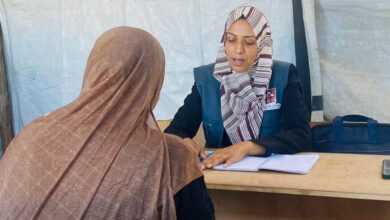
A transgender activist, Alisha, for example, is part of the UNDP’s Youth Empowerment Programme. She advises them on inclusion and helps them make the space safer and more empowering for transgender people. She advises on project design and ensures that the projects meet the inclusivity needs of transgender people.
Several NGOs and organizations have conducted projects to mainstream and help transgender people. However, many transgender people feel that these projects lack sustainability and that people forget about them after they are over. What the transgender community needs are a collective voice. They need the community to speak up and for cisgender people to speak up for them.
In 2018, the Supreme Court passed the Transgender Persons (Protection of Rights Act.) The law included legal recognition of transgender people, sought to give them the same rights as cisgender people, and eliminate formal inequality.
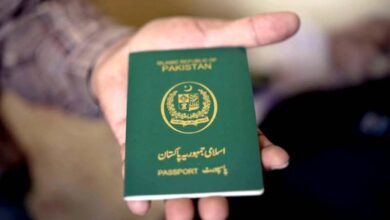
The law allowed transgender people to change their gender in their NADRA records, protected their right to obtain a passport and driving license, and banned harassment of transgender people. It prohibited discrimination and ordered the establishment of healthcare facilities and educational facilities for transgender people. The bill also mentioned the establishment of psychotherapy facilities for transgender people. The bill ordered separate rooms for transgender people in jail and forbade hiring transgender people for panhandling, assigning a jail sentence and a fine for those who did.
This Act is monumental, especially since, 147 years ago, when the subcontinent was under British rule, transgender people were seen as a ‘criminal tribe.’ Transgender people started to open bank accounts, having the option of a third gender. Government policy allowed them access to interest-free loans.
Talking about the implementation of laws, the Transgender Persons (Protection of Rights Act) 2018 is a step in the right direction. Even so, Pakistan has a long way to go. Transgender people have complained about the lack of proper implementation and the continuation of brutal attacks against people in the community.
In Khyber Pakhtunkhwa, 57 transgender people have been killed since 2015. Many transgender activists such as Ashee Butt and RabiaMehmood have talked about the need for implementation and how the law being passed is not enough. Until the Pakistani government completely implements this law, transgender people will not fully be safe.
During the pandemic, transgender people have been facing a lot of discrimination which discourages them from speaking up about their health and status. They face stigma from healthcare providers and staff, making it difficult for them to fight the pandemic. Transgender people also face abuse and trauma in their homes.
Transgender people are still the targets of sex crimes, rape, and ridicule. They face harassment and assault frequently and are regularly denied employment opportunities. At times, they are forced into sex work.
In 2019, the Sindh High Court expressed disappointment at the lack of implementation of the law about transgender people.