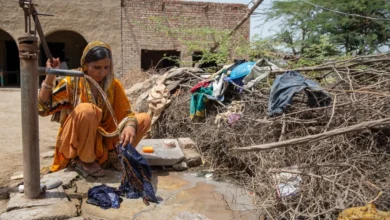
11 Most Common Health Problems With Pakistani Women
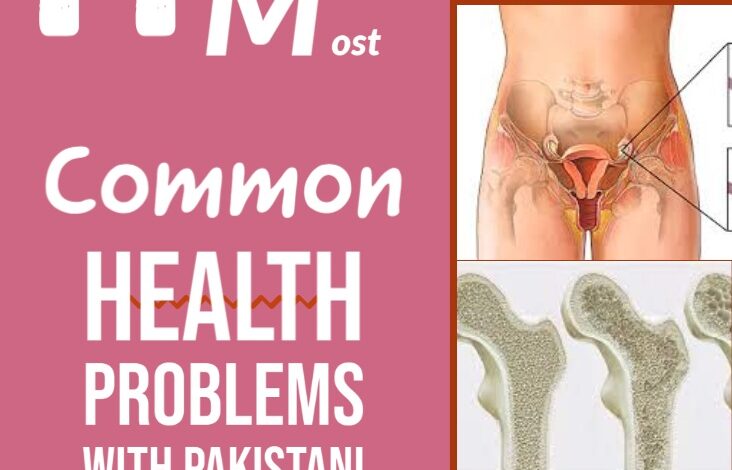
Today the whole world is suffering from many types of diseases similarly in Pakistan, more than the average of population in Pakistan is suffering from some common diseases. All genders are suffering from these diseases but some problems are specifically attached to the women. In this article, we are going to discuss the 11 most common diseases found in women, their causes, symptoms, and how to prevent these diseases.
1. Osteoporosis
All the healthy bones have some small spaces between them, when these spaces increases it causes them to lose strength and density. Because of this bones become weaker and thinner. This process is called osteoporosis.
Symptoms:
The most common symptoms of osteoporosis are receding gums, backbone pane, a stooped posture, weakened grip strength and weak or brittle nails.
From many other serious problems Osteoporosis is also a major type of disease in the world. Osteoporosis is mostly present in women. The analysis revealed that the prevalence of osteoporosis was 16.4%, of this, 20.3% were females and 11.8% were males.
Treatment
Osteoporosis commonly occurs in those people who have low calcium intake and vitamin D, restricted food intake or an eating disorder, smoking and drinking and some family history of osteoporosis. Osteoporosis can be cured if the disease may diagnose on time.
Stay happy and Keep Your Bones strong
2. Menstrual Cycle
Menstrual Cycle is a not disease but it brings serious issues for women. Women generally, did not consider discussing matters related to the menstrual cycle with Doctors due to lack of awareness and access. That carelessness of women leads them to other major health issues.
Disturbed menstrual cycle in case of early or later can be treated at the earliest. The normal menstrual cycle is of 28 days but it varies from individual to individual.
Symptoms:
Many complications including infertility may occur due to irregular menstruation. Symptoms of irregular menstruation are acne, excess hairs and obesity.
There are many causes of abnormal periods Poly Cystic Ovary Syndrome (PCOS), imbalance of hormones, stress, birth control pills, endometriosis, pelvic inflammatory diseases and premature ovary insufficiency, and unhygienic usage of pads.
3. Breast cancer
Another most common disease found in Pakistani women is breast cancer. Pakistan has the highest rate of Breast Cancer in South Asia as approximately 90000 new cases are diagnosed every year. Around 40000 die due to breast cancer every year.
Causes: Breast cancer has different types. A breast is made up of three main parts: lobules, ducts, and connective tissue. The most common kinds of breast cancer are invasive ductal carcinoma and invasive lobular carcinoma. In Invasive ducal carcinoma, the cancer cells grow outside the ducts into other parts of the breast tissue. Invasive cancer cells can also spread, or metastasize, to other parts of the body. In Invasive lobular carcinoma, the Cancer cells spread from the lobules to the breast tissues.
A personal history of breast conditions, a family history of breast cancer, inherited genes that increase cancer risk, Radiation exposure, and Obesity.
Symptoms: The most common symptoms of breast cancer are new lump in the breast or underarm (armpit), Thickening or swelling of part of the breast, Irritation or dimpling of breast skin, Redness or flaky skin in the nipple area or the breast, pulling in of the nipple or pain in the nipple area and Nipple discharge other than breast milk, including blood.
Cure: Breast cancer is curable but early diagnosis supports better treatment. It can be cured by surgery, chemotherapy, hormonal therapy, biological therapy and radiation therapy. The women should examine their breast once after periods every month if they found any lumps they should immediately contact o physicians.
4. Heart Disease
From many other serious problems, heart problem is also a major type of disease in the world having the highest cause of death. As Pakistan is a developing country and according to the WHO data in 2016, almost 250,000 people were dying due to heart diseases in Pakistan annually which was 19 percent of the total deaths countrywide. However in the last three years, WHO has found a whopping increase by 29 percent of total deaths due to heart diseases. Reportedly, around 406,870 die every year due to heart disease in Pakistan.
Reasons: The term “heart disease” refers to several types of heart conditions. The most common type of heart disease is coronary artery disease, which can lead to a heart attack. Coronary heart disease develops when the arteries that supply blood to the heart become clogged with plaque.
Symptoms: The symptoms of heart disease depend on the specific type a person has. Some most common symptoms are chest pain, angina, difficulty breathing, fatigue, high blood pressure, swelling, sweating, stomach pain, body pain, and irregular heartbeat.
Some highlighted causes of heart disease are when a problem with the blood vessels leading to or from the heart when there is a low supply of oxygen and nutrients to the heart, high blood pressure, obesity, age, smoking, high cholesterol, and some anxiety or stress.
Heart diseases can be cured by medication but sometimes their treatment required some serious surgeries.
Prevention: We can prevent ourselves from this disease by maintaining our health and weight and by doing exercise and walk properly.
5. Infertility
Out of many other diseases, one of the diseases is usually present in women and causes many other critical problems in the body. That is infertility; An estimated 1 in 10 women between the ages of 15 and 44 have trouble conceiving.
Infertility is “a disease of the reproductive system defined by the failure to achieve a clinical pregnancy after 12 months or more of regular unprotected sexual intercourse.”
Causes: Common causes of infertility can include endometriosis, uterine fibroids, and thyroid disease.
The most common risk factors for infertility in both genders are age ( over age 35 for women and over age 40 for men), diabetes, Eating disorders, including anorexia nervosa and bulimia, Excessive alcohol use, Over-exercising, Radiation therapy or other cancer treatments, Sexually transmitted diseases (STDs), Smoking, Stress, Substance abuse, Weight problems, Infertility can be cured by medication or surgery of men and women having problem.
6. Urinary infection
Urinary tract infections are very common, occurring in 1 out of 5 women sometime in their lifetime. Though UTIs are common in women, they can also happen to men, older adults, and children. One to 2% of children develops urinary tract infections.
The prevalence of Urinary infection is 11.6%. The frequency of Urinary infection is 8.9% in males and 13.8% in females. A urinary traction infection (UTI) is a very common type of infection in your urinary system.
UTI is an infection in any part of your urinary system your kidneys, ureters, bladder, and urethra. Most infections involve the lower urinary tract the bladder and the urethra. Women are at greater risk of developing a UTI than are men.
Symptoms: Pain or a burning sensation when urinating, bleeding to urine more often than usual during the night, urine that looks cloudy, needing to urinate suddenly or more urgently than usual, needing to urinate more often than usual, and blood in your urine.
Causes: There are many risk factors that cause urine infection some of them are sexual intercourse; especially if more frequent, intense, and with multiple or new partners, fungal infection, diabetes, poor personal hygiene, problems emptying the bladder completely, having a urinary catheter, bowel incontinence, blocked the flow of urine and kidney stone.
In case of urine infections, most of the time doctor recommends antibiotics for the treatment.
7. Polycystic Ovaries
In Pakistan, the prevalence of polycystic ovaries is higher than in Western women. Almost 52% of women are suffering from this disease.
Causes: Polycystic ovary is a medical disorder involving infrequent, irregular or prolonged menstrual periods, and often excess male hormone (androgen) levels or lack of physical exercise. The ovaries develop numerous small collections of fluid called follicles and may fail to regularly release eggs.
Symptoms: There are many symptoms of polycystic ovaries some of them are missed periods, irregular periods, Ovaries that are large or have many cysts, excess body hair, including the chest, stomach, and back, Weight gain; especially around the belly (abdomen), Acne or oily skin and Infertility.
Cure: Immediately shift to organic foods, exercise, and see a doctor.
8. Depression
Among all the serious diseases depression and anxiety is now becoming a major problem in the whole world. You can simply say that Depression is the most common disease of this era. Not only elders but teenagers are suffering from this disease.
Depression mostly attacked women and badly affects their health. Depression is a medical disorder that affects your emotions and physical activities negatively.
Causes: Major causes of depression are abuse may be physical, sexual, emotional, aging, alone and lack of social interaction, work stress, and sleeplessness.
Symptoms: Symptoms of depression are hopelessness, outlook, loss of interest, increase fatigue, increase or decrease sleep routine, anxiety, greet ability in men, change in appetite and weight, and uncontrollable emotions.
The way forward is a healthy life, walk, recreational activities, and socialization.
9. Diabetes
Diabetes is one of the most common and growing problems in Pakistan. According to the report of IDF Pakistan has reached 17.1%, now 148% higher than previously reported. In 2019, over 19 million adults in Pakistan are estimated to be living with diabetes.
Diabetes is a chronic (long-lasting) health condition that affects how your body turns food into energy. Most of the food you eat is broken down into sugar (also called glucose) and released into your bloodstream. Diabetes is of two types one is when your pancreas becomes a failure to produce enough insulin and the other one is when cells fail to respond to insulin properly.
Symptoms: Many common symptoms of diabetes are frequent urination, increased thirst, increased appetite, headache, weight loss, fatigue, slow healing of cut and itchy skin. If left untreated, diabetes can cause many health complications.
Causes: The causes of diabetes, majorly e more resistant your cells become to insulin, Inactivity. Family history, Race or ethnicity, Age, Gestational diabetes, polycystic ovary syndrome and High blood pressure can maximize the chance of having diabetes.
Treatment: Diabetes can be controlled with walk, avoidance of specific foods and take consultancy with medical experts.
10. Hepatitis A and E
Even though there are vaccines available for hepatitis, hepatitis A and E are still common diseases in Pakistan. Hepatitis A is a viral liver disease which is transmitted through contaminated water or unhealthy food.
In addition to the vaccine, safe water supply, healthy food, improved sanitation and handwashing are all effective ways to fight the disease. Hepatitis E is a liver disease that is usually self-limiting. According to Pakistan’s health department, the government is using all channels of communication to increase awareness of hepatitis among the public.
11. HIV
Among many other serious problems, HIV (human immunodeficiency virus)is also a major type of disease of this era. In Pakistan, almost 165000 people are living with HIV. As of June 2019, almost 24331 people (14•7%) are registered with the National AIDS Control Program. HIV is a virus that attacks the body’s immune system. If HIV is not treated, it can lead to AIDS (acquired immunodeficiency syndrome).
There is currently no effective cure.
Symptoms: Some common symptoms of HIV are rapid weight loss, night sweating, unexpected tiredness; prolong swelling in the armpit and neck, and diarrhea that last for more than a week.
Causes: HIV infection is caused by the human immunodeficiency virus. You can get HIV from contact with infected blood, semen, or vaginal fluids. Most people get the virus by having unprotected sex with someone who has HIV. Another common way of getting it is by sharing drug needles with someone who is infected with HIV.