Saudi Arabia Showcases Women’s Workforce Reforms at GCC Gender Dialogue
At the GCC Gender Dialogue in Dubai, Saudi Arabia highlights its Vision 2030-led reforms that doubled women’s labor force participation and opened new pathways for female leadership.


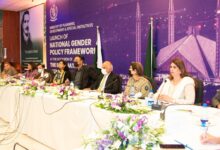
DUBAI — Saudi Arabia shared its landmark progress in advancing women’s economic empowerment during the GCC Gender Dialogue hosted by the UAE Gender Balance Council and the World Bank last week in Dubai. The event brought together top officials from Saudi Arabia, UAE, and Bahrain to discuss policy solutions that promote gender equity across Gulf labor markets.
Representing Saudi Arabia, Dr. Hanadi Al-Hokair, General Director of Female Enablement at the Ministry of Human Resources and Social Development (HRSD), presented the Kingdom’s achievements in increasing women’s workforce participation from 17% in 2017 to over 36% today.
“Saudi Arabia has achieved unprecedented milestones in women’s economic empowerment—surpassing our Vision 2030 targets,” Dr. Al-Hokair said during the knowledge exchange sessions.
The dialogue included workshops on global best practices to enhance gender-inclusive employment, spanning childcare, legal protections, digital inclusion, and the green economy. Updates were also shared on the Women, Business and the Law (WBL) Index, the World Bank’s gender-focused benchmarking tool.
Dr. Abdullah Abuthnain, Saudi Arabia’s Vice Minister for Labor, reaffirmed the Kingdom’s long-term commitment to gender equality:
“Women’s economic empowerment is a fundamental pillar for the Kingdom’s prosperity. We’ve introduced structural reforms to ensure women not only enter the workforce but thrive in it.”
Saudi Arabia’s highlighted reforms include:
-
Equal pay and anti-discrimination laws in hiring and promotion
-
Wusool Transport Program, supporting 288,000+ women with affordable commuting
-
Qurrah Childcare Initiative, expanding childcare access to working mothers
-
12-week paid maternity leave and equal retirement benefits for women
-
Promotion of freelance, remote, and flexible work models
-
Leadership training with INSEAD, boosting women’s representation in management roles from 28.6% in 2017 to 44.1%
-
The Parallel Training initiative, helping over 122,000 women secure jobs through 800+ programs and 46,000 employers
These reforms reflect Saudi Arabia’s broader Vision 2030 agenda, aimed at economic diversification and the full inclusion of women in national development.
The Kingdom’s experience is increasingly viewed as a regional model for gender reform, aligning public, private, and civil society efforts to create inclusive labor systems.
As regional collaboration deepens, Saudi Arabia’s message at the Gender Dialogue was clear: empowering women is not just a social priority—it’s a strategic imperative for economic growth and resilience.