Empowering Women, One Loan at a Time: How Microfinance is Changing Lives in Pakistan
From zero to hero—stories of Pakistani women like Arza and Nasima show how microfinance fuels resilience, business success, and national development.

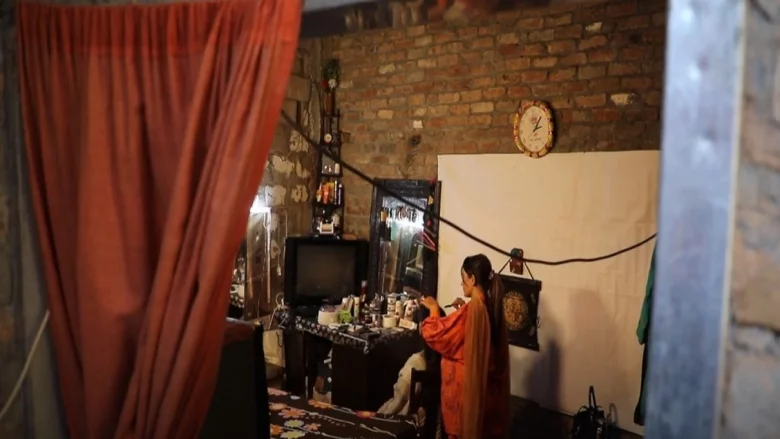
In a country where over one-third of the population lives below the poverty line, microfinance is quietly rewriting the story of financial inclusion—especially for women. Fifty-eight-year-old Arza Parveen, a widow from Pakistan, turned despair into determination after her husband was injured during war, leaving their family without a source of income.
With a small loan from the Kashf Foundation, Arza launched her own kirana store, a neighborhood grocery business that now provides her with steady earnings. “I had many difficulties because my husband was injured in war, and I had no money,” she recalls. “I want to give this message to all women: if you want to move forward, then contact Kashf, take a loan, and move forward like I am doing. If money comes, the country will develop.”
Arza is one of 5.6 million women across Pakistan using microfinance to create economic independence. Her story resonates with Nasima Arzoo, a hairdresser from Islamabad whose thriving beauty salon was severely affected during the COVID-19 pandemic. A loan from HBL Microfinance Bank helped her bounce back.
“I was a zero, and now I’m a hero,” says Nasima proudly. She encourages others to follow her path: “Our daughters and women should take a loan and advance their skills.”
Microfinance—defined as small loans ranging from $10 to $2,000—serves as a crucial tool for low-income individuals who are otherwise excluded from traditional banking. Despite the potential, only 13 percent of women in Pakistan have access to formal financial services, a gap that becomes more pronounced in rural areas.
The 2022 floods and ongoing macroeconomic instability have further strained financial systems, pushing SME lending to a mere 5.2% of domestic credit. Still, microfinance institutions like Kashf Foundation and HBL Microfinance Bank continue to reach the most underserved with life-changing services.
These small but impactful loans have proven to reduce poverty and enhance women’s participation in the workforce. A recent impact study by Kashf Foundation found that repeat borrowing lifted poverty levels in 40 percent of households, while 90 percent of women reported increased business income.
More than just a financial instrument, microfinance is a tool for inclusive growth. It creates opportunities for women to start and expand businesses, support their families, and break the cycle of dependency. In doing so, it strengthens communities and contributes directly to the country’s economic health.
As women like Arza and Nasima continue to pave the way for others, microfinance emerges as a powerful solution to Pakistan’s poverty and gender inequality—one small loan at a time.