South Korean Woman Acquitted Decades After Defending Herself in Sexual Assault Case
Court overturns 60-year-old conviction, recognising Choi Mal-ja’s act as self-defence

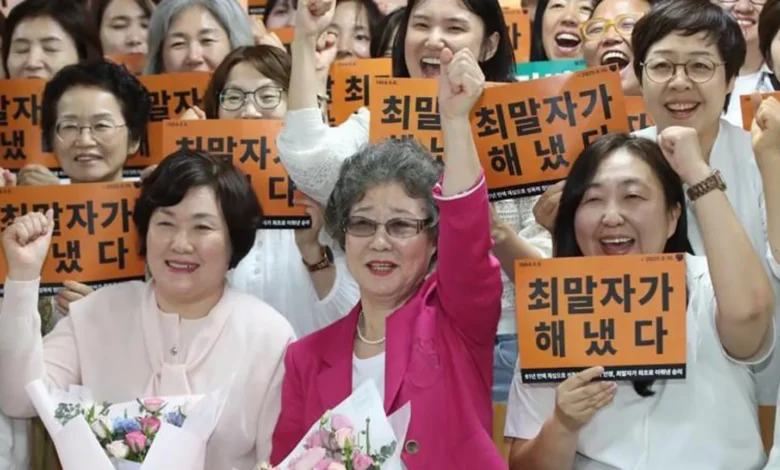
A South Korean woman, Choi Mal-ja, has finally been acquitted six decades after being wrongfully convicted for defending herself during an alleged sexual assault. At just 18, she was sentenced to 10 months in jail for biting off part of her attacker’s tongue, while the 21-year-old man who assaulted her received a lighter six-month sentence. The ruling had turned her from a victim into an accused, leaving her to carry the stigma of injustice for most of her life.
Now 79, Ms Choi stood victorious in court as judges revisited her case following a long campaign for justice. The retrial began in July in Busan, where prosecutors themselves apologised and requested her conviction be overturned. Inspired by the #MeToo movement, she gathered evidence and support from women’s rights groups, eventually leading the Supreme Court to grant a retrial in December 2024.
The original case remains one of South Korea’s most controversial rulings on sexual violence. Court records show that her attacker pinned her to the ground in Gimhae, and she only escaped by biting his tongue. Despite the clear act of self-defence, the court at the time judged her actions as exceeding “reasonable bounds.” To make matters worse, the man continued to intimidate her, once even breaking into her home with a knife, yet he was never charged with attempted rape.
Decades later, the retrial recognised the injustice rooted in gender bias and outdated societal perceptions. Ms Choi’s lawyer described the original verdict as a misjudgment that ignored the realities of sexual violence. Advocacy groups like the Korea Women’s Hotline praised her resilience, calling the verdict a turning point for future cases. They believe it will ensure that women’s defensive acts are seen as legitimate forms of self-protection rather than crimes.
Outside the court, Ms Choi expressed gratitude to her supporters, saying she fought not just for herself but for other victims who may face the same ordeal. She announced plans to pursue a civil lawsuit against the state for compensation, determined to hold authorities accountable for the pain caused.
Her case now serves as a message to survivors of sexual violence across South Korea: their voices matter, and the law must recognise their right to defend themselves. By clearing her name, the court has not only corrected a personal injustice but also set a precedent that could help reshape how such cases are viewed in the country.