Pakistan’s Gender Pay Gap Remains Alarming Despite High Female Education Levels
ILO report highlights 25–30% wage disparity between men and women in Pakistan

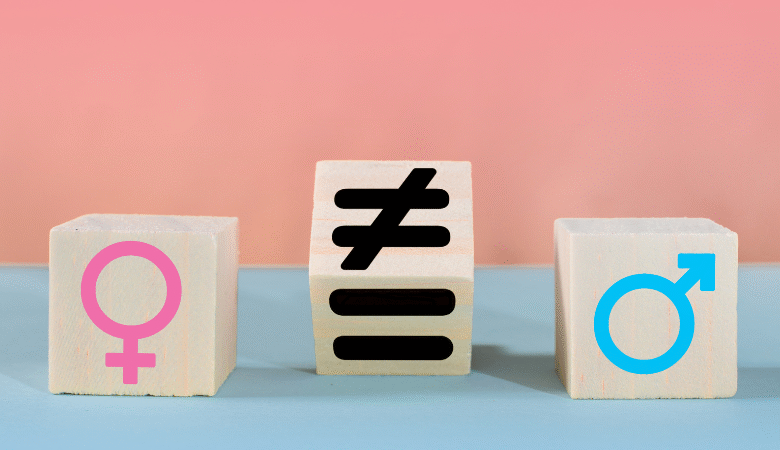
Women in wage employment in Pakistan are earning substantially lower wages than their male counterparts, according to the Pakistan Gender Pay Gap Report 2025 released by the International Labour Organisation (ILO). The report estimates a 25% gender pay gap based on hourly wages and a 30% gap based on monthly wages, painting a stark picture of wage inequality in the country.
Gender Pay Gap in Pakistan Above Global Average
Pakistan’s gender pay gap is notably higher than the global average for lower-middle-income countries, which sits at 21% for monthly wages and 17% for hourly wages. This places Pakistan among the countries with one of the widest gender wage disparities.
Official Commitment to Equal Pay
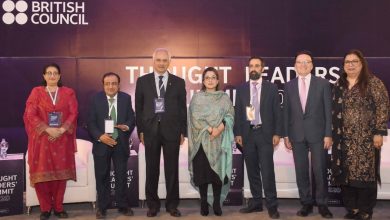
Speaking at the report’s launch, Secretary of the Ministry of Overseas Pakistanis Nadeem Aslam Chaudhary reaffirmed the government’s dedication to enforcing equal pay for work of equal value. He emphasized the importance of this report and its action plan in identifying the challenges that prevent women from full economic participation.
He noted that this work supports Pakistan’s obligations under ILO Conventions on Equal Remuneration and Discrimination, both of which Pakistan has ratified.
ILO Stands Ready to Support Change
ILO Country Director Geir Tonstol expressed optimism that with data, partnerships, and political will, Pakistan could move from commitment to action.
“The ILO stands ready to support Pakistan in advancing fair and transparent wage systems, formalizing informal work, and expanding opportunities for women in all sectors,” he said.
Low Female Employment Rates a Major Concern
Beyond the pay gap, the report also points to alarmingly low female participation in the workforce. In 2021, only 23% of women were employed compared to 79% of men, marking a 56 percentage point employment gap — the highest in South Asia.
This data highlights a dual inequality: women are not only less likely to be employed, but even when they do work, they are paid significantly less than men.
Highly Educated Women Still Face Wage Inequality
Interestingly, the report reveals that women in wage employment often have higher levels of education than their male peers. Despite this, they continue to face wage discrimination.
Women are also more likely to work in the public sector, in formal employment, hold permanent contracts, and work in larger firms and professional roles. Yet, these advantages have not translated into equal earnings.
Female Representation in the Workforce Still Low
According to the ILO, only 13.5% of employees in Pakistan are women. This reflects deeply rooted structural barriers and social norms that restrict women’s participation in paid work.
The Way Forward
The report urges:
-
Transparent wage-setting mechanisms
-
Formalisation of informal work
-
Policy reforms for inclusive labor markets
-
Enforcement of equal pay laws
-
Public awareness campaigns to shift mindsets